
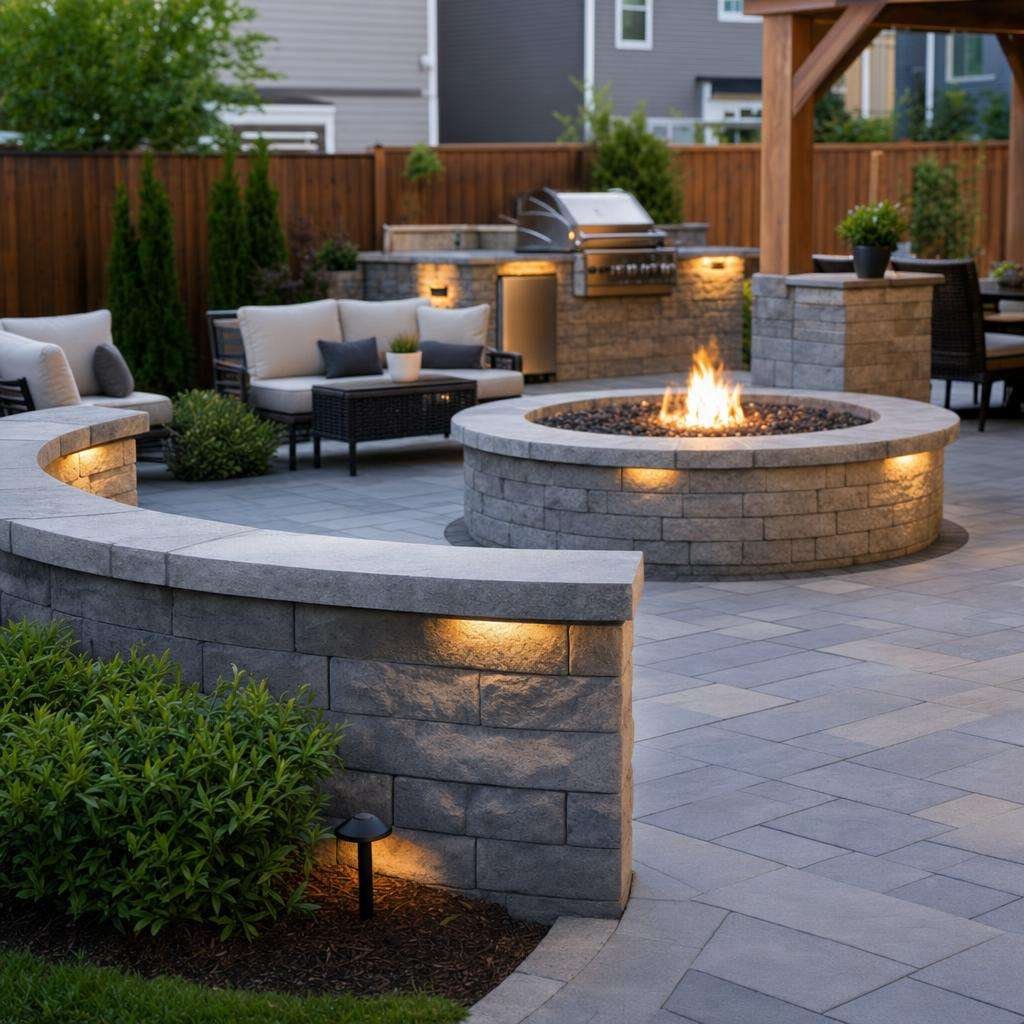
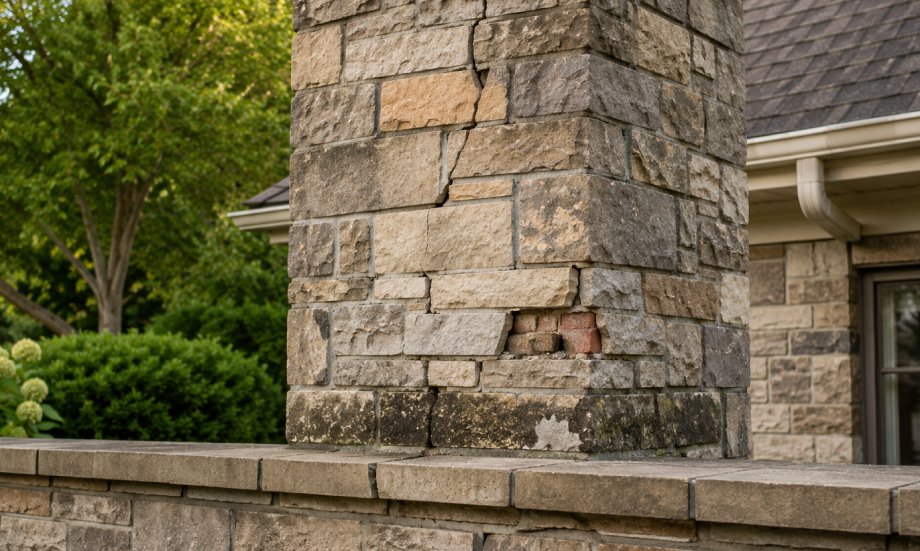
Masonry is one of the most visible and lasting parts of a property. Brick walls, stone veneers, block structures, chimneys, fireplaces, retaining walls, entry columns, patios, and decorative features all contribute to curb appeal, function, and structural performance. When masonry is in good condition, it often blends into the background because it feels solid, clean, and dependable. When it begins to age, crack, shift, stain, or separate, however, it can quickly become one of the first things owners, tenants, customers, and visitors notice.
Knowing when to request masonry services is not always obvious. Some signs are cosmetic and can be addressed as part of a planned improvement. Others may point to moisture movement, settling, deteriorating mortar, failing veneer attachment, or pressure behind a wall. For homeowners, commercial property owners, builders, developers, HOAs, and property managers in the Portland metropolitan area, understanding these warning signs can help you decide whether to repair, restore, replace, or add masonry features before minor concerns become larger projects.
M&M STONEHENGE Construction provides masonry, hardscape, concrete, retaining wall, fireplace, chimney, and outdoor living construction services for residential and commercial properties. This guide explains the common signs that masonry needs attention, the decision triggers that often lead to a service request, and the practical next steps to take before calling a contractor.
Why Masonry Condition Matters
Masonry is valued because it combines strength, durability, texture, and design flexibility. Brick, stone, block, and veneer systems can support boundaries, shape outdoor spaces, protect slopes, frame entries, enhance fireplaces, and improve the appearance of homes and commercial buildings. But masonry still depends on proper installation, stable support, sound mortar, drainage planning, and appropriate repair methods over time.
In the Portland area, masonry can also be affected by seasonal rain, soil moisture, freeze-thaw cycles in colder periods, tree roots, slope pressure, and normal building movement. Over the years, these conditions may contribute to cracked brick, loose stone, worn mortar joints, leaning block walls, failing retaining walls, or veneers that look outdated or damaged. Addressing these issues with professional masonry services can help restore appearance, improve function, and support longer-term property improvements.
The key is to pay attention to visible changes. A single hairline crack may not require immediate construction, but a pattern of cracking, movement, moisture staining, or material loss should be reviewed. The earlier you understand what is happening, the more options you may have for repair, restoration, or redesign.
Visible Cracks in Brick, Stone, or Mortar
Cracking is one of the most common reasons property owners begin looking for masonry services. Cracks can appear in brick walls, stone features, mortar joints, block walls, chimneys, fireplaces, veneers, retaining walls, and outdoor columns. Some cracks are narrow and isolated. Others run in stair-step patterns, extend through multiple materials, or widen over time.
Hairline cracks may be related to age, minor settling, or surface stress. However, cracks that continue to grow, repeat across multiple areas, or appear near corners, windows, doors, retaining walls, or chimneys deserve closer attention. Stair-step cracks in brick or block can indicate movement through the joints. Vertical or horizontal cracks may point to pressure, settlement, or installation concerns depending on the wall type.
Cracked mortar joints are also important. Mortar holds individual masonry units together, and when it crumbles, separates, or washes out, water can enter more easily. Over time, that moisture may worsen deterioration. Masonry repair or restoration can include removing deteriorated mortar and replacing it through tuckpointing or repointing when appropriate. In other cases, damaged bricks, stones, or blocks may need to be reset or replaced.
Crumbling, Missing, or Weathered Mortar
Mortar is often the first part of a masonry system to show age. When mortar joints become soft, powdery, recessed, cracked, or missing, the wall or feature may lose both visual sharpness and weather resistance. On older brick or stonework, deteriorated mortar can make the entire structure look tired even when many of the bricks or stones are still usable.
You may notice sand-like material collecting at the base of a wall, gaps between masonry units, or joints that have eroded deeper than the surrounding brick or stone. In chimneys and exterior walls, weathered mortar can allow water intrusion. In decorative stone features, it can weaken the finished appearance and make stones look loose or uneven.
This is a common trigger for masonry restoration. Rather than replacing an entire wall or feature, a contractor may evaluate whether the existing materials can be repaired, repointed, or partially rebuilt. For property owners trying to preserve the look of established brick or stone, timely mortar work can be a practical step.
Loose, Bulging, or Separating Masonry
Masonry should feel stable. If brick, stone, block, or veneer appears to bow outward, pull away, loosen, or separate from the surface behind it, it is time to request a professional evaluation. Bulging and separation can indicate moisture behind the material, attachment issues, movement in the supporting wall, or pressure from soil in the case of retaining walls.
Loose stone veneer is especially important to address because veneer systems depend on proper preparation, bonding, layout, and installation. When pieces begin to detach, the issue may involve more than the individual stone. The underlying surface, drainage conditions, and installation method should be reviewed before repair decisions are made.
For brick and block walls, bulging or leaning may be a sign of movement that requires repair, reinforcement, partial rebuilding, or replacement. For retaining walls, outward movement can point to soil pressure, poor drainage, inadequate wall design, or aging materials. In these situations, it is better to avoid patching only the visible crack until the cause of the movement is understood.
Water Stains, Efflorescence, or Moisture Damage
Moisture is one of the biggest enemies of masonry when it is not properly managed. White powdery residue, dark staining, algae growth, damp interior surfaces near masonry, or persistent discoloration may suggest that water is moving through or behind the material. The white residue, often called efflorescence, appears when water carries salts to the surface and then evaporates.
Efflorescence alone does not always mean serious damage, but it is a signal that moisture is present. If it appears repeatedly, spreads, or is paired with crumbling mortar, spalling brick, loose stone, or interior staining, masonry services may be needed to identify and correct the source. In exterior hardscape and retaining wall projects, drainage integration is especially important because trapped water can add pressure and shorten the life of the installation.
Water issues around chimneys and fireplaces should also be taken seriously. Chimney masonry is exposed to weather on all sides, and damaged mortar, cracked crowns, or deteriorating brick can contribute to ongoing problems. Masonry chimney repair, rebuilding, or tuckpointing may be appropriate depending on the condition.
Spalling, Chipping, or Flaking Brick and Stone
Spalling occurs when the surface of brick, stone, or concrete masonry begins to flake, pop, or break away. This can be caused by moisture absorption, freeze-thaw stress, age, improper previous repairs, or incompatible materials. Once the face of masonry begins to deteriorate, the damage can continue if water keeps entering the material.
Spalling brick can make a wall look rough and neglected. On chimneys, it can be especially noticeable from the ground. On stone walls, surface scaling may reduce the clean finished appearance of the feature. While a few damaged units may be replaced in some situations, widespread spalling may call for a more complete restoration plan.
If you see pieces breaking off, rough exposed surfaces, or masonry units that feel soft or hollow, it is a good time to request an inspection. A masonry contractor can help determine whether repair, replacement of selected units, restoration, or rebuilding is the best path forward.
Outdated or Damaged Veneer
Not every masonry service request begins with damage. Sometimes the issue is an outdated appearance. A property may have old brick veneer, aging cultured stone, mismatched repairs, worn entry columns, or decorative masonry that no longer fits the design of the home or commercial building. In these cases, masonry services can be part of an exterior refresh or larger outdoor improvement project.
Stone veneer and brick veneer can add texture, visual weight, and architectural character when they are planned and installed well. If the existing veneer is cracked, stained, uneven, loose, or stylistically outdated, you may choose to repair it, replace it, or add new masonry features that better match the property. This is common for entries, exterior accent walls, fireplaces, outdoor kitchens, seating walls, and commercial facades.
The decision often depends on the condition of the existing system. If the veneer is sound but dated, new design work may be possible. If the veneer is separating, trapping moisture, or poorly attached, removal and proper reinstallation may be more appropriate.
Leaning, Cracked, or Failing Retaining Walls
Retaining walls are masonry and hardscape features with an important job: they hold back soil, shape slopes, create usable space, and help manage grade changes. Because they resist pressure from soil and water, retaining walls should be monitored carefully. Signs that retaining wall construction services or retaining wall repair may be needed include leaning, bowing, cracked block, displaced stone, soil washing through joints, poor drainage, sinking sections, or water collecting behind the wall.
A retaining wall problem is not just cosmetic. Soil pressure can increase over time, especially when drainage is inadequate. If the wall continues to move, the repair may become more complicated. A professional evaluation can help determine whether the wall can be repaired, partially rebuilt, or should be replaced with a better layout, drainage approach, and material selection.
For residential yards, HOAs, commercial properties, and development sites, retaining walls may also connect to patios, pathways, driveways, landscape hardscapes, and outdoor gathering spaces. Because these elements often work together, it can be helpful to work with a contractor that understands masonry, hardscape construction, concrete services, and paver installation services within the same project scope.
Chimney and Fireplace Warning Signs
Fireplaces and chimneys are highly visible masonry features, but they also experience heat, moisture, and weather exposure. Common signs that fireplace and chimney services may be needed include cracked brick, deteriorated mortar, loose stones, leaning chimney sections, missing masonry units, staining, spalling, or a chimney that looks uneven from the exterior.
Outdoor fireplaces, fire pits, and masonry gathering areas should also be checked for cracks, loose caps, failing mortar, and surface deterioration. Even when a feature is decorative, damaged masonry can affect both appearance and performance. If a fireplace or chimney has significant movement, visible deterioration, or repeated moisture problems, it should be reviewed before additional finish work is planned.
Masonry fireplace construction, chimney repair, chimney rebuilding, and tuckpointing are all different types of work. The right approach depends on the age of the feature, the extent of the damage, and the intended use. A professional assessment helps you avoid applying a surface fix to a deeper masonry issue.
Uneven Pavers, Cracked Hardscape Edges, or Failing Outdoor Features
Masonry services often overlap with hardscape construction. Paver patios, paver driveways, paver walkways, pathways, entryways, seating walls, outdoor kitchens, fire pits, and decorative walls may all include masonry or related installation methods. If your outdoor surfaces are settling, separating, cracking at edges, or creating trip concerns, it may be time to consider repair or redesign.
Uneven pavers can result from base movement, drainage issues, soil settlement, heavy use, or edge restraint failure. Cracked masonry edges around patios or walkways may signal that the surrounding structure is no longer supporting the surface properly. In outdoor living spaces, masonry features that were added at different times may also look mismatched or disconnected.
When several outdoor elements need attention, a coordinated plan can be more effective than isolated repairs. For example, a property owner may combine paver installation services with a new seating wall, stone feature, outdoor fireplace, or retaining wall improvement. This approach can improve both function and the overall finished appearance.
Commercial Property Triggers for Masonry Services
Commercial buildings, multifamily properties, HOAs, and managed sites often require masonry decisions for both appearance and maintenance planning. A cracked brick facade, damaged block wall, worn entry feature, deteriorated boundary wall, or failing walkway can affect how a property is perceived. It may also create recurring maintenance concerns if water, movement, or aging materials are not addressed.
Property managers and commercial owners may request masonry services after routine inspections, tenant reports, capital improvement planning, insurance-related documentation, exterior refresh projects, or preparation for leasing and occupancy. Builders and developers may need masonry construction for new features such as brick walls, stone veneers, CMU block walls, privacy walls, boundary walls, or decorative masonry elements.
For commercial settings, planning is especially important. Access, scheduling, materials, site safety, and coordination with other trades can affect the project timeline. A clear scope helps determine whether the work is a repair, restoration, replacement, or new installation.
Repair, Restore, Replace, or Add New Masonry?
Once you notice a masonry concern, the next decision is what kind of service is appropriate. Repair is often the right choice when damage is limited, the surrounding material is stable, and the original feature still serves its purpose. Examples may include replacing damaged bricks, resetting loose stones, repairing mortar joints, or correcting a small section of wall.
Restoration is usually considered when the goal is to preserve or improve an existing masonry feature while addressing age-related wear. This may include tuckpointing, selective replacement, cleaning, rebuilding portions of a wall, or restoring the original character of brick or stonework. Restoration can be especially valuable for older properties where the existing masonry contributes to architectural style.
Replacement may be needed when a wall, veneer, chimney section, retaining wall, or outdoor feature has widespread deterioration, significant movement, poor drainage, or installation issues that cannot be corrected with limited repair. In some cases, replacing a failing system provides an opportunity to improve layout, drainage, material selection, and visual design.
Adding new masonry is the right path when the property needs an upgrade rather than a repair. New stone walls, brick veneers, block walls, outdoor fireplaces, seating walls, decorative features, paver entryways, or outdoor living elements can improve curb appeal and create more usable space. The planning process should consider how the new masonry connects to existing architecture, grade, drainage, and surrounding hardscapes.
Practical Next Steps Before You Call
Before requesting masonry services, take a few practical steps to make the conversation more productive. First, walk the property and note the locations of visible damage. Look for cracks, loose materials, stains, leaning sections, mortar loss, drainage concerns, and areas where masonry meets doors, windows, soil, concrete, or rooflines. If you manage a commercial property or HOA, collect maintenance notes or inspection observations from the people who use the site regularly.
Second, take clear photos from several distances. Wide photos show the overall feature and its surroundings, while close-up photos show crack patterns, mortar condition, staining, or loose units. Photos can help a contractor understand the general scope before an on-site review, although they do not replace a professional evaluation.
Third, think about your goal. Do you want to preserve the existing appearance, correct visible damage, improve structural function, update curb appeal, or add a new feature? Your goal affects material recommendations, layout planning, and project sequencing. A homeowner may prioritize a cleaner finished appearance for a front entry, while a property manager may prioritize durable repair for a boundary wall or chimney.
Fourth, consider related work. If a cracked stone wall connects to a patio, walkway, drainage area, or retaining wall, it may be more efficient to evaluate the full area at once. M&M STONEHENGE Construction works across masonry services, concrete services, hardscape construction services, paver installation services, retaining wall construction services, and outdoor living construction services, which can help clients coordinate connected improvements through one contractor.
What to Expect From a Masonry Service Process
A masonry project typically begins with a site review and discussion of the visible concern, the property owner’s goals, and the practical constraints of the site. The contractor may look at the condition of the brick, stone, block, mortar, base, drainage, adjacent concrete, or surrounding hardscape. For repairs, the goal is to identify the damaged area and understand why it occurred. For new masonry, the focus shifts to layout, material selection, design, and integration with the property.
Planning is especially important because masonry is both functional and visual. Brick patterns, stone sizes, joint profiles, wall alignment, caps, edges, transitions, and color choices all affect the finished appearance. Crews may prepare the site, remove damaged materials, plan the layout, install or repair brick and stone, integrate drainage where needed, and clean the work area so the final result looks stronger and more complete.
For more complex walls, retaining features, chimneys, or commercial structures, additional evaluation or coordination may be required. If there are signs of major structural movement, a qualified professional may need to review the condition before work proceeds. A responsible masonry plan should match the visible issue, the underlying cause, and the long-term use of the feature.
When to Request Help
You should consider requesting masonry services when cracks are spreading, mortar is crumbling, brick or stone is loose, veneer is separating, water stains continue to return, retaining walls are leaning, pavers are settling, or chimneys and fireplaces show deterioration. You should also request help when an outdated brick or stone feature no longer fits the property and you are ready to improve curb appeal with a cleaner, more durable finish.
For residential and commercial properties in the Portland metropolitan area and surrounding communities, masonry work can be a practical investment in appearance, function, and long-term property care. Whether the project involves brick repair, stone masonry services, block wall construction services, decorative masonry features, chimney repair, or outdoor living upgrades, the best first step is a clear evaluation of the existing condition.
If you are seeing cracked brick, aging stone, outdated veneer, worn mortar, or a masonry feature that no longer performs as it should, contact M&M STONEHENGE Construction to discuss the next step. Call (503) 896-3681 during business hours to request masonry services for your home, commercial building, HOA property, or development project in the Portland area.
Frequently Asked Questions
Common signs include cracked brick or stone, crumbling mortar, loose veneer, leaning retaining walls, chimney damage, moisture staining, and masonry that has shifted or separated from nearby surfaces. If cracks are widening, mortar is washing out, or a wall appears to be moving, it is time to have the area evaluated before the problem becomes harder to repair.
Not always. A single hairline crack may be cosmetic or related to minor settling, but cracks that grow, repeat in a stair-step pattern, appear near corners or openings, or show up on retaining walls and chimneys should be inspected. The pattern, location, and whether moisture is getting in help determine whether repair, repointing, or a larger restoration is needed.
Repair may be appropriate when the brick, stone, or block is mostly sound and the issue is limited to mortar loss, isolated cracks, loose units, or surface wear. Replacement or rebuilding is more likely when there is significant movement, widespread deterioration, failing veneer attachment, poor drainage, or a retaining wall that can no longer perform safely.
Walk the property and note where you see cracking, loose stone, worn mortar, stains, leaning walls, or chimney issues. Take clear photos, check whether the damage has changed over time, and identify any drainage, slope, tree root, or water runoff concerns nearby. This information helps the contractor understand the likely cause and recommend repair, restoration, replacement, or a new masonry feature.